


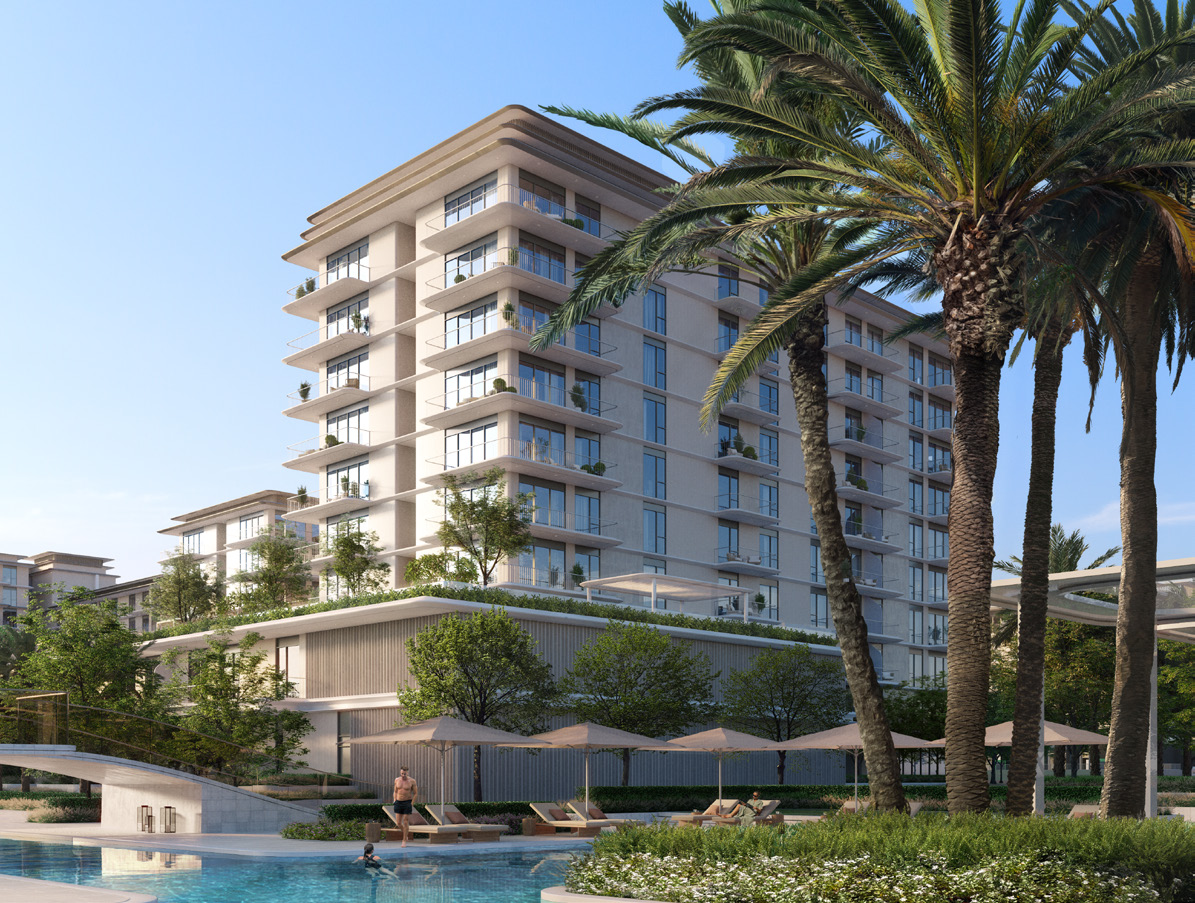
Imagine locking in today's price on a home that could be worth more by the time you get the keys, and paying for it in small, planned steps while it is being built. That is the promise of off-plan property, and it is why it has become the most popular way to buy in Dubai.
Buyers from London, Mumbai, Riyadh, Lagos and New York are all choosing off-plan for the same reasons: lower entry prices, flexible payment plans and the chance to own a brand-new home in a brand-new community. In 2025, Dubai recorded more than 270,000 real estate transactions, and a large share of residential deals were off-plan.
But off-plan is not a lottery ticket. The buyers who do best are the ones who understand the process, ask the right questions and choose carefully. This guide walks you through every step in plain language, with the tips our team shares with clients every day.
Key takeaways: Choose the developer first, the location second and the unit third. Budget for the 4% DLD fee on top of the price. Your payments are protected in an escrow account. And always read the payment plan and handover date in writing before you pay anything.
What does off-plan actually mean?
Off-plan simply means buying a property before it is finished. Sometimes the building is half built. Sometimes construction has not started at all, and you are buying from floor plans, renders and a show apartment.
You sign a contract with the developer, pay in instalments while the building goes up, and receive your finished home at handover. Think of it as reserving tomorrow's home at today's price.
The opposite is a ready (or secondary) property: a finished home you can move into or rent out straight away, usually bought from an existing owner.
Why so many buyers choose off-plan in Dubai
A lower entry price
Launch prices are usually set to attract early buyers. In many communities, off-plan prices at launch sit below what similar ready homes nearby sell for. Early buyers often get the best price the project will ever have.
Payment plans that fit your life
Instead of finding the full price on day one, you pay a deposit and then spread the rest over the construction period. Some projects even let you continue paying for a few years after handover. For many buyers, that is the difference between waiting and owning.
Potential growth during construction
In well-located communities from trusted developers, values often rise between launch and handover as the area takes shape. You only pay part of the price during that time, which can make the return on the money you have actually put in very attractive.
Brand-new everything
New finishes, new appliances, new amenities and a developer warranty. No worn carpets, no tired kitchens and no surprise repairs in year one.
First pick of the best units
Early buyers choose from the full range: the best views, the highest floors, the corner layouts and the units facing the park or the sea. Later buyers take what is left.
Step 1: Choose the developer before the building
The single biggest decision you make is who is building your home. A great developer delivers on time, builds to a high standard, and creates communities that people want to live in for decades. A weak one can turn a good idea into a long wait.
Before you fall in love with a render, look at:
- Completed projects: visit them. Look at the build quality, the common areas and how well they are maintained.
- Delivery record: did past projects hand over close to the promised date?
- Resale and rental performance: how have homes in their earlier projects held their value?
- Community management: are the parks, pools and roads still looking good years later?
Developers like Emaar have built some of Dubai's most loved addresses, from Downtown Dubai to Dubai Hills Estate and Emaar Beachfront. That track record is why Emaar launches often sell out quickly.
Step 2: Pick the right location
Location still decides almost everything about how your property performs. Ask yourself a few simple questions:
- Will people still want to live here in ten years?
- Is it close to work hubs, schools, malls, beaches and the Metro?
- What else is planned nearby: new roads, parks, transport links?
- Who will rent it: families, professionals or holiday guests?
Dubai's 2040 Urban Master Plan and new transport projects like the Metro Blue Line are useful guides to where the city is heading.
Step 3: Choose the right unit
Two apartments in the same building can perform very differently. When you compare units, look at:
- View: sea, park, skyline or golf views usually rent faster and resell better.
- Orientation: homes facing away from the strongest afternoon sun can stay cooler.
- Floor: higher floors often carry a premium for views and quiet.
- Layout: square rooms, a separate kitchen option and good storage matter to tenants.
- Size versus price: compare the price per square foot, not just the total.
Step 4: Reserve your unit
Once you have chosen, you pay a booking amount to secure the unit. This is usually counted as part of your first instalment. Before you pay, ask for the full payment schedule, the expected handover date and the unit details in writing.
Step 5: Sign the Sales and Purchase Agreement (SPA)
The SPA is your contract with the developer. It sets out:
- The price and the exact payment milestones.
- The expected completion and handover date.
- The specification of your home: finishes, appliances and size.
- What happens if either side does not deliver as agreed.
- Rules on reselling the property before handover.
Read it carefully. A good broker will walk you through every clause and explain what it means for you.
Step 6: Pay the 4% DLD fee and register on Oqood
Dubai Land Department (DLD) charges a registration fee of 4% of the property value, plus a small admin fee. It is usually paid around the time you sign the SPA. On some launches, developers cover part or all of this fee as an offer, which can save you a lot of money, so it is always worth asking.
Your purchase is then registered on Oqood, the DLD's official register for off-plan sales. This gives you an official record of your purchase while the building goes up.
Step 7: Pay in stages, safely, through escrow
This is where Dubai really stands out. Under Dubai's escrow law, every off-plan project must have an approved escrow account. Your payments go into that account, not straight to the developer, and money is released as construction reaches agreed milestones.
It is one of the main reasons buyers from around the world trust the Dubai market.
Quick check before you pay: confirm the project is registered with DLD, and pay only into the escrow account shown on official documents. Never pay a deposit into a personal account.
Step 8: Handover, snagging and your title deed
When the building is complete, the developer invites you to inspect your home. This is called snagging: you (or a professional inspector) list any defects, from paint marks to loose tiles. The developer fixes them, you settle the final payment and you receive your keys and title deed.
From there, you have three main choices:
- Move in and enjoy your brand-new home.
- Rent it out on a yearly lease for steady income.
- Let it as a holiday home for potentially higher returns, with a licensed operator.
Understanding payment plans
Payment plans are usually described as two numbers, such as 60/40 or 80/20. The first number is what you pay during construction; the second is what you pay at handover. Some projects offer post-handover plans, where part of the price is paid over one to five years after you get the keys.
When comparing plans, think about:
- How much you need at booking and in the first year.
- Whether the instalments are linked to dates or to construction progress.
- How large the handover payment is, and whether you will pay it in cash or with a mortgage.
- Whether a post-handover plan lets your rental income help cover the payments.
Can you get a mortgage on off-plan?
Some UAE banks offer mortgages on off-plan homes, usually once a set amount has been paid and construction is advanced. Most buyers pay the construction instalments themselves and use a mortgage, if needed, for the handover payment. Speak to a mortgage adviser early so you know your options.
Can you sell before handover?
Yes, in many cases. Selling before completion is often called an assignment or resale. Developers usually require a certain percentage of the price to be paid first and charge a small admin fee. Always check the resale rules in your SPA.
7 mistakes smart buyers avoid
- Buying on hype alone. A busy launch event is not a reason to buy. Check the developer and the location.
- Ignoring the payment plan. Make sure the schedule fits your cash flow, including the handover payment.
- Forgetting the extra costs. Budget for the 4% DLD fee, service charges after handover and furnishing.
- Skipping the SPA details. Know your handover date and your rights if it changes.
- Choosing the cheapest unit, not the best one. A small premium for a better view often pays for itself.
- Not planning for handover. Decide early whether you will live in it, lease it or run it as a holiday home.
- Going it alone. A registered broker usually costs you nothing on off-plan deals, because the developer pays the commission.
Off-plan or ready: which is right for you?
Choose off-plan if you want a lower entry price, can wait for handover and like the idea of paying in stages. Choose ready if you need to move in or earn rent immediately. Many investors do both: a ready home for income today, and an off-plan home for growth tomorrow.
Frequently asked questions
How much deposit do I need for off-plan?
It depends on the project, but many plans start with 10% to 20% at booking, plus the 4% DLD fee.
Can foreigners buy off-plan in Dubai?
Yes. International buyers can buy off-plan in designated freehold areas, which include most popular communities.
Does off-plan count for the Golden Visa?
Off-plan homes from approved developers can qualify when the value reaches AED 2 million. Check the current rules before you apply.
What happens if construction is delayed?
Your SPA sets out the expected completion date and your rights. Escrow rules also protect the money you have paid.
How Hudson helps you buy off-plan
Hudson Real Estate is a top Emaar partner, ranked No. 8 at Emaar's Q3 2026 Broker Awards. That relationship means early access to launches, better unit choice and help securing the strongest payment plans.
We stay with you from reservation to handover. And because we are a one-stop team, Interiors by Hudson can design and furnish your home, and Hudson Vacation Homes can manage it as a holiday rental once it is ready.
Related reading: The real cost of buying property in Dubai, how property can get you a 10-year Golden Visa and why snagging matters.
Ready to find your off-plan home? Browse properties for sale or talk to our team today.
This guide is general information, not legal or financial advice. Fees and rules can change, so always confirm the latest details with Dubai Land Department before you buy.


Get in Touch
Contact our real estate experts to discuss your needs. Our team has the expertise to guide you through the entire process.
